About
Overview
Formally established in 2009, Biojemmss is a Christian charity based in Uganda dedicated to rescuing and restoring vulnerable children and young people from abuse. While we provide short-term residential care for those at the highest risk, this is only one part of our wider mission. We work to prevent abuse, strengthen families, equip parents and communities, and support young people as they move safely into adulthood.
As part of this holistic approach, we currently deliver twelve community-based initiatives across our locations. Central to our work is the Rescue–Restore–Release model — a structured two-to-three-year journey that supports children from crisis, through restoration, and into sustainable independence.
Our Story
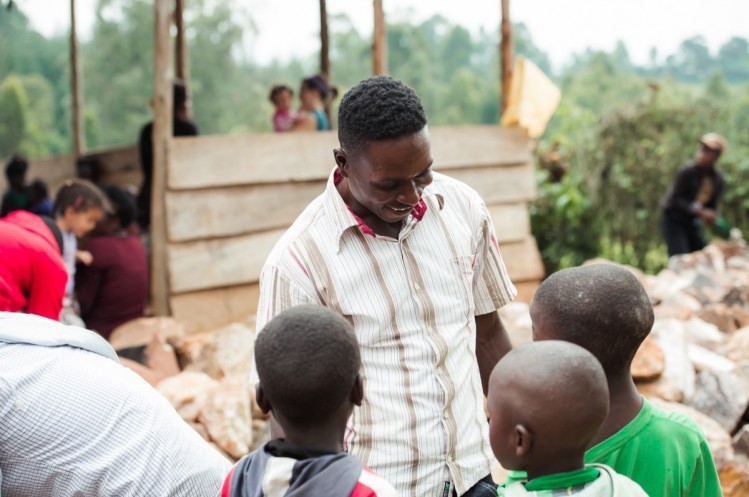
Biojemmss began in 2007 when eighteen vulnerable children and young people were rescued from an unregulated residential facility where they were experiencing significant abuse. They were moved to a safe home in Rukungiri — a place where they could finally rest, heal, and begin to rebuild their lives. That first act of protection became the foundation of everything Biojemmss would grow to be.
The organisation was formally established in 2009 when it was registered as a foreign NGO in Uganda. That same year, Biojemmss partnered with Elim International, which helped establish its UK presence and provided early governance and support. In 2018, Biojemmss became an independent UK-registered charity (No. 1177603), strengthening its long-term sustainability and accountability.
What began as an emergency response for eighteen children has grown into a holistic, community-rooted organisation supporting children and families across Uganda. Today, our Rescue, Restore, and Release model continues to guide everything we do, helping children move from crisis to safety, from safety to stability, and from stability to lasting freedom.
Our name

People often ask about the origin of the name Biojemmss. When the first young people were rescued from their abusive care home, many had been forced to give up their own names and were instead known only by the name of their abuser.
At their new home, their names and identities were restored. As part of rebuilding their sense of belonging, the children were asked what they would like to be called collectively — and Biojemmss was the name they chose. Each letter represents one of their names (for example, “M” for Muwanguzi, “B” for Brian), with the final “s” added as a tribute to Siân, who played a key role in their rescue.
For the children, the name symbolised family, belonging, and the beginning of a new chapter. Today, it continues to reflect our commitment to helping children move from crisis to safety, from safety to stability, and from stability to lasting freedom.
Our mission, vision and values

Mission
Our passion is to protect children from abuse, strengthen families, and equip communities to create safe environments where children can thrive and successfully transition into adulthood.
Vision
A world where children are free from abuse and exploitation, families are strong and resilient, and every child has the opportunity to thrive.
Values
Child-Centered: We put the safety, wellbeing, and best interests of children at the heart of everything we do.
Servant-Led: We work alongside children, families, communities, and partners with humility, respect, and a spirit of service.
Responsible: We are committed to integrity, accountability, professionalism, and the responsible stewardship of all entrusted to us.
Unashamedly Christian: We are motivated by our Christian faith and seek to reflect God's love, justice, hope, and compassion in all that we do.
Unique: We remain true to our history, identity, and the experiences that have shaped Biojemmss.
Adaptable: We embrace learning, innovation, and positive change to better meet the needs of children and families.
Future-Focused: We are committed to creating sustainable change that enables children, families, and communities to thrive for generations to come.
Where we work
Biojemmss Uganda works across three locations, each playing an important role in protecting children, strengthening families, and creating opportunities for long-term independence.
Rukungiri
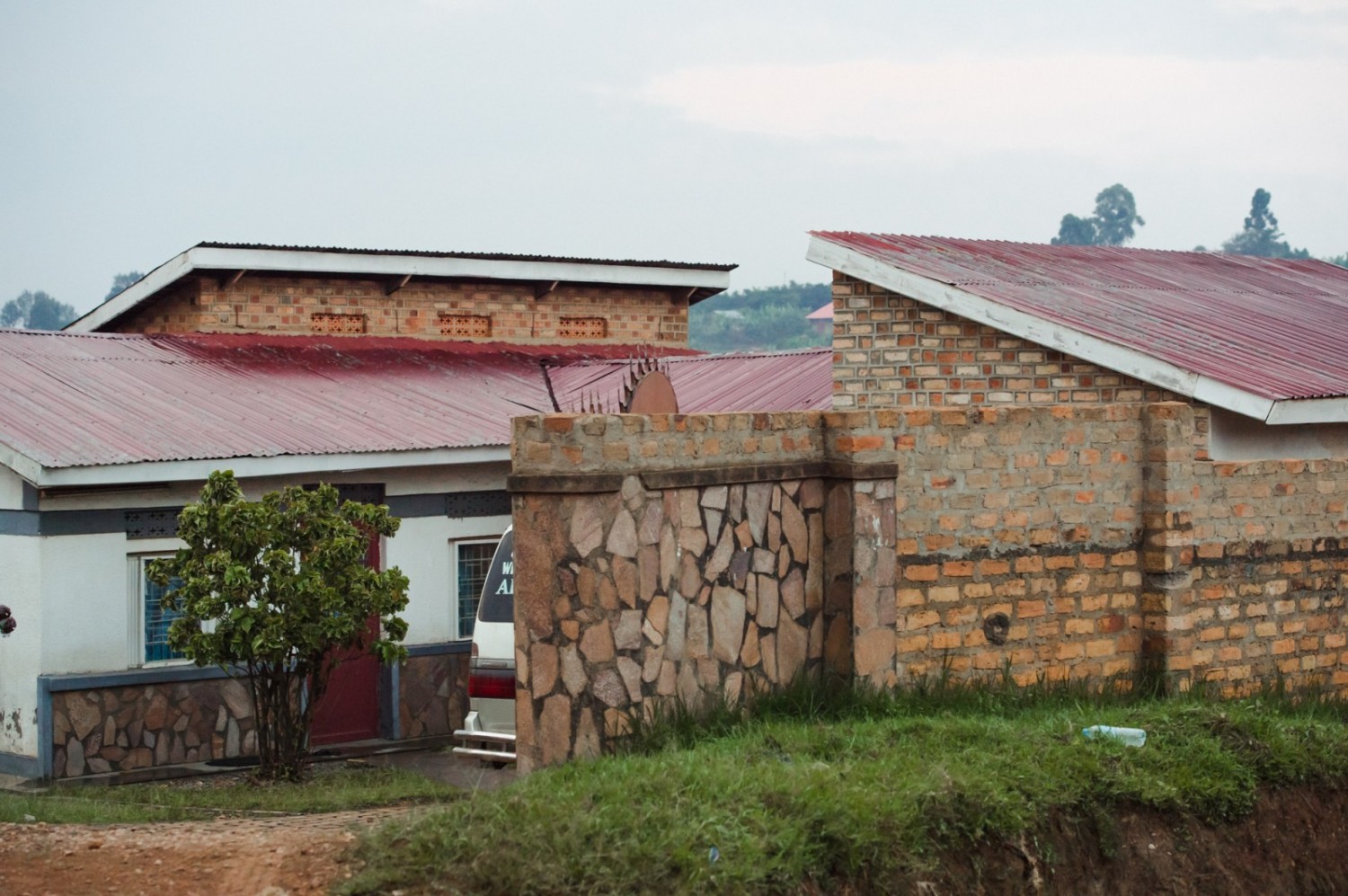
Our main base is located in Rukungiri, western Uganda.
It is home to our residential safety home for younger children who need immediate protection, as well as our offices and community hub. Children living here attend local schools and receive the care, stability, and opportunities they need to heal, grow, and thrive. From Rukungiri, Biojemmss delivers a range of community-based programmes that form part of our Rescue, Restore, and Release model. These include family strengthening, safeguarding, children's camps, prison outreach, workshops, and other preventative initiatives that help families stay together and reduce the risk of abuse and exploitation. To support this growing work, we have purchased land in Kanyinya, where we are developing permanent facilities that will strengthen our long-term sustainability and expand our capacity to support children, families, and communities safely.
Kampala
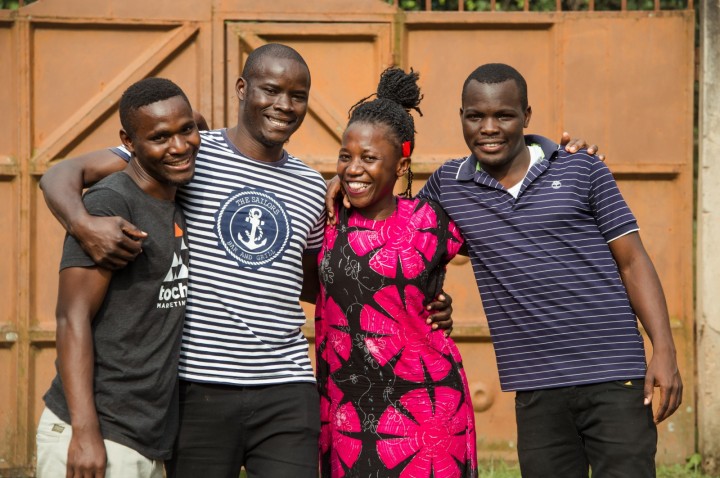
We have a second residential home in Kampala, the country’s capital. This transition home provides ongoing support for our older young people who are attending university, finding jobs or setting up their own businesses.
Kanyinya
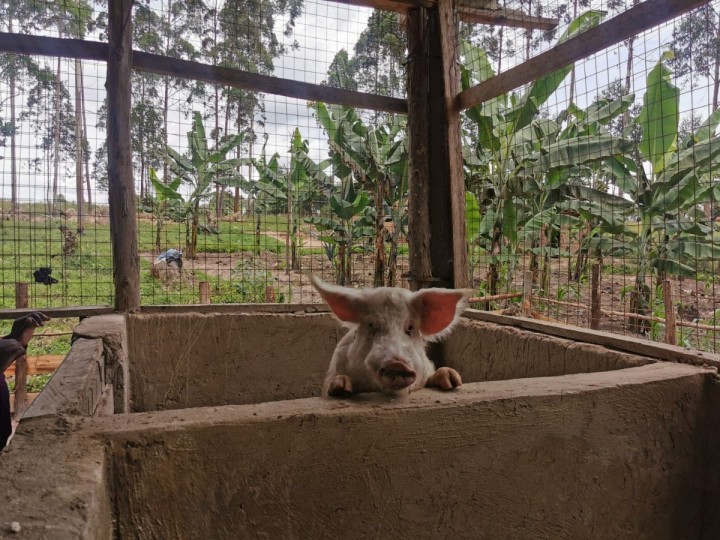
Biojemmss now operates a growing agricultural and community development site in Kanyinya, where we have established sustainable farming projects with cows, goats, and pigs, alongside improving access to safe water and electricity in an area where these resources have historically been limited. The land is being developed as the future home of Biojemmss, bringing together our Rescue, Restore, and Release activities within one purpose-built location. This development will strengthen our long-term sustainability and expand our capacity to support children, families, and communities safely and effectively. As construction progresses, Kanyinya is becoming a place of safety, learning, and opportunity, where children can thrive, families can access dignifying support, and lasting transformation can take root.